• Home
  • About Us
  • Blog

Category Archives: Winter

Feed Birds Suet During Winter

Posted on October 6, 2014 by admin

blog8pic1

With the winter approaching, birds need a higher fat diet in order to endure the colder temperatures. Here in Michigan at Wild Birds Unlimited of GPW, we are ready with a stockpile of suet to help. This is the time of year to beef up your wild bird feeding station – literally!

Beef fat, or suet, has been a favorite winter-feeding strategy for those who love to watch the birds. Pure rendered beef fat is great to use when you can’t keep the squirrels out of the suet feeder. Without added nuts or seeds, the pure suet isn’t high on the list of a squirrel’s priorities for food.

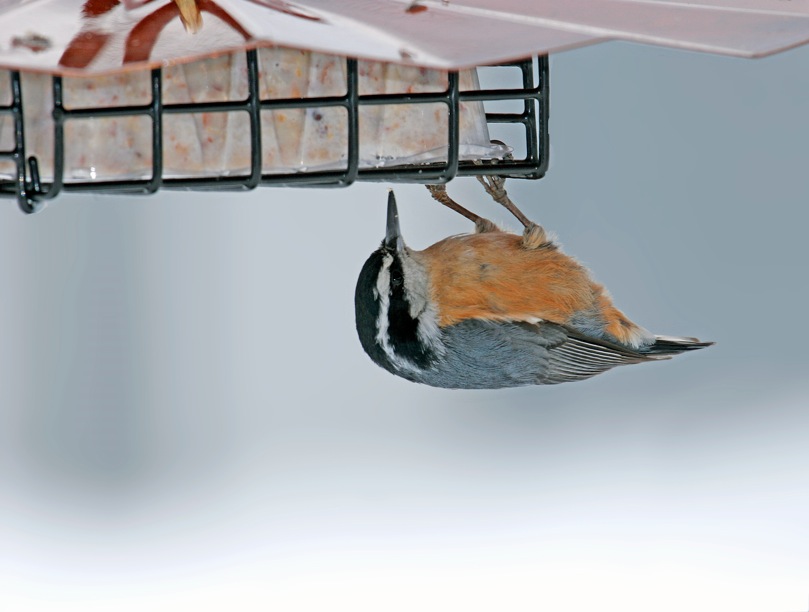
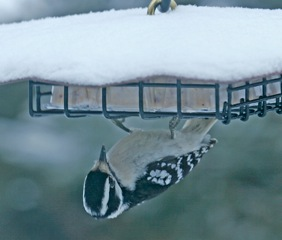
If you can place a suet feeder out of the reach of squirrels, you can offer suet with peanuts or seed added to the formed cake of fat. Squirrel-proof can be obtained if the feeder is placed on a pole system with a baffle top at five feet above ground and the set-up eight feet away from any leaping opportunity. You’ll find that the woodpeckers. Chickadees and nuthatches in your yard will visit both pure and enhanced suet, with an emphasis on eating the high fat nuts when the weather is colder. Some suet will have fruit, which is attractive to red-bellied woodpeckers.
blog8pic2

There is also a hot pepper version of suet, meant as a squirrel deterrent, since mammals have more taste buds than birds and find the hot pepper distasteful. The birds don’t detect the hot flavoring, allowing you to place the suet feeder in any location for viewing.

If European Starlings become a persistent problem, try hanging your feeders so that they are oriented with access only from the bottom. There are a number of feeders that are made specifically for this purpose. The Starling Stumper, when added to your current suet cage feeder, accomplishes this goal as well.

When birds eat suet, they stay at the feeder for a longer period of time, allowing you to appreciate their crisp colors in the bright sun of winter. Gone are the old feathers that were worn from the rigors of rearing a family or two. The fall molt has provided them with a new set of feathers, including an extra amount for warmth.

Feeding suet in the fall and winter is one of the most enjoyable ways to watch birds in your yard.

Enjoy your birds!
Rosann
Wild Birds Unlimited of Grosse Pointe Woods, MI

Posted in Bird Feeding Solutions, Wild Bird Facts, Winter | Tags: bird feeders, birds, fall bird feeding, Grosse Pointe Woods, Michigan, winter bird feeding | Leave a comment |

Get Ready for Fall and Winter Bird Feeding

Posted on October 6, 2014 by admin

Let’s talk about the importance of cleaning your bird feeder At Wild Birds Unlimited, of Grosse Pointe Woods, Michigan, we know with the change to cooler temperatures, many people will be getting their yard ready for fall and winter wild bird feeding. At Wild Birds Unlimited of Grosse Pointe Woods, we can help you review your feeding strategy in order to get the most enjoyment from the hobby of bird feeding.

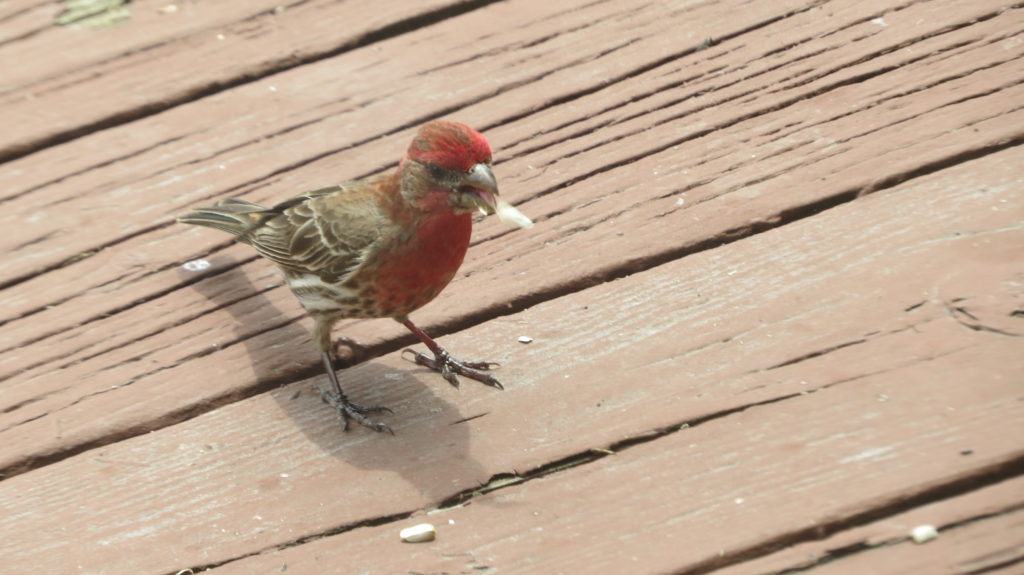
Good, quality seeds are the staple of any feeding station in the colder months. Once natural seeds have been depleted, birds will look to supplement their diet with the bird seed at your feeders. The most favored seed is the black oil sunflower, favored by more birds than any other seed. Using sunflower as the main seed in a blend and adding other favored seeds such as safflower and white proso millet will bring in all of the resident birds. Birds that perch while they eat prefer the sunflower and safflower, whereas the ground feeding birds prefer the millet that falls to the ground from the bird feeder.

House Finch with a safflower seed, by Andrea Rose

Before you fill your wild bird feeder, make sure that it has been cleaned and sterilized. A good soak in some warm water will loosen all of the dirt that builds up in most tube feeders. The soft bristles of feeder brushes allow you to scrub without scratching the feeders. To sterilize, add one part vinegar or bleach to ten parts water and let the feeder soak for at least ten minutes. Always rinse thoroughly before letting the feeder dry completely and filling. With a wooden feeder, follow the same steps without a prolonged soak.

Make sure that the placement of your bird feeders allows birds to fly to cover in the form of bushes or evergreens in the event that a cat or a hawk pursues them. If you use a number of bird feeders, it is a good idea to keep some distance in between them so that the birds are not competing with each other for space. Offering seeds at a lower level for the ground feeding birds by using a platform feeder will give those birds their own space as well as keeping the seed dry. Thistle, or nyger, is the seed of choice for American Goldfinches and other winter finch visitors. Suet is the favored bird feeding station delicacy if you are trying to satisfy woodpeckers, chickadees and nuthatches. This high fat food goes a long way in keeping birds fueled with the energy that they need. In the colder months, birds don’t necessarily need different foods; they just need more of it! Don’t be surprised to see your feeders empty more rapidly in response to the dip in temperature.

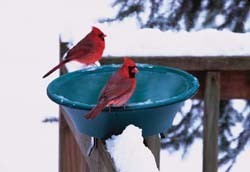
Water is a necessity for birds all through the year and winter is no exception. Heaters can be added to existing baths or, complete baths with a heater built in can be purchased. And then, there is always the daily ritual of taking the hot water out each day and replacing the frozen water with this new source! Whichever you use, your birds will appreciate this necessity of life being provided to them.

blog4pic1
One of the most forgotten elements of a favorable winter habitat is shelter. When the temperature drops and the wind increases, birds need shelter more than anything. Evergreens can provide this element but if your yard lacks them, consider adding a winter roost box or a birdhouse. I was delighted to learn that this years’ fledged downy woodpecker has been using a birdhouse that I placed in my yard. Every night at the same time, he lands on the roof and looks around, and once “The coast is clear”; he enters the house for shelter through the night. There are roost boxes that can be placed within the yard to provide shelter for a number of birds at one time. Sharing body heat, the chance of survival increases for those birds that roost together.

From your point of view, the placement of bird feeders is all about your point of view. If you situate them where you can’t enjoy them, bird feeding will become a chore as opposed to a hobby for you to enjoy. Ask yourself where in your home you are most likely to sit and watch the birds. Don’t rule out the side or front yards if they are where you find yourself looking out the window. A small window bird feeder added to the kitchen is another way to enhance the hobby for your enjoyment. Feel good about yourself for providing for these fragile creatures during this time of challenge for them.

Enjoy your birds!

Rosann Kovalcik,

Owner of Wild Birds Unlimited, Grosse Pointe Woods

Have you joined our email list? Click here to sign up, it’s free and gives you access to sales, coupons, nature news, events, and more!

Posted in Bird Feeding Solutions, Fall, Winter | Tags: bird feeders, birds, fall bird feeding, Grosse Pointe Woods, Michigan, winter bird feeding | Leave a comment |

Wild Birds Secret Hiding Places for Winter Food

Posted on October 6, 2014 by admin

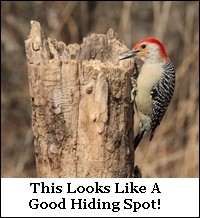
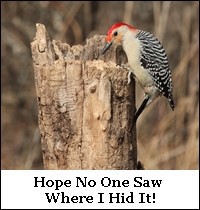
Here in Michigan we know as temperatures cool and the change of season is upon us, birds in your garden are looking for secret hiding places for their winter foods.

Many wild bird species store food for winter as a precaution against potentially meager food supplies in the colder months.  This activity is called caching, and it typically takes place in the late summer and fall months when food is abundant.  If you have trees full of nature’s bounty of acorns or a birdfeeder filled with seeds, you can witness firsthand the numerous quick trips being made by your garden birds between those food sources and a secret hiding place.

Bird species that frequently cache foods include jays, chickadees, nuthatches, woodpeckers, and crows. These birds store hundreds of seeds a day, and each seed is placed in a different location.  With some birds using hundreds of caches, a large memory is required to relocate the seeds.  It has been proven that in some species, the chickadees and titmice in particular, the birds use a physiological response to the need for memory: their brains grow larger! The portion of the brain that is responsible for memory is called the hippocampus and it increases in size in these bird species during the autumn and winter.  When spring arrives, it shrinks smaller again in response to the newly emerging insects that provide a bountiful food source.


blog1pic1blog1pic2


What about the non-migratory birds in your yard that do not grow a larger memory brain section?  What do these wild birds do in the winter? Researchers hypothesize that these birds simply relocate the stored food. By providing an easily accessible food source, you can help your birds with their caching needs.  You can also have a great time watching birds locate secret hiding places and discovering them throughout your yard.

The location of caches (hiding places) will vary depending on the bird’s habitat. Popular storage areas include seeds and nuts wedged into the bark of trees or beneath house eaves or shingles, and many birds will cache food by burying it or covering it with leaves or mulch, or pushing the food into soft soil.  Birds have been observed pushing seeds into flower petals in an effort to hide them. In forested areas, birds are often responsible for helping tree growth from their stored nuts and seeds.

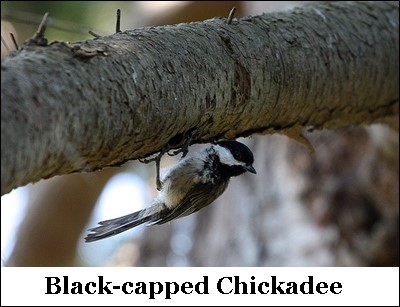
Chickadees cache more frequently during the middle of the day and will carry seeds (in the shell and out) and nuts, typically within 100 feet from feeders.  Chickadees also cache insects and other invertebrate prey. Some of their favorite places to cache is in knotholes, bark crevices, under shingles, in the ground and on the underside of small branches.

blog1pic3

Nuthatches prefer to cache hulled sunflower seeds, because they are easier and faster to cache and occasionally they will cache mealworms.  Nuthatches generally choose heavier seeds because they are larger and have a higher oil content, caching within about 45 feet from feeders.  Different from Chickadees, the Nuthatches are most active with caching early in the day, storing food in bark crevices on large tree trunks and on the underside of branches.

Tufted Titmice cache sunflower, peanuts and safflower, typically cached about 130 feet from feeders.  Titmice cache one seed at a time and typically choose the largest seeds available, often removing seeds from their shell (80% of the time) before hiding them.

Insects are also looking for secret hiding places during the winter to avoid being found by predators – specifically the birds in our yards.  Insect hiding locations include under the leaves of trees, under leaf litter, mulch, rocks and logs, in bark crevices and behind loose tree bark, as well as in, under and around rotting logs or dead branches of trees and bushes, inside seed heads of flowers, inside of woodpecker holes and within bird nests, and in openings in cement, mortar and bricks.

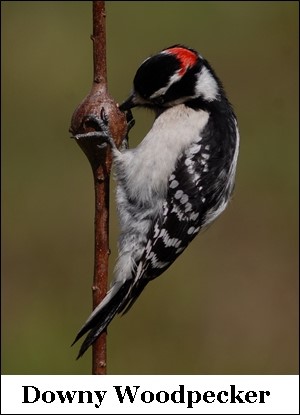
Insects can also create galls, which are orb-like formations in plants. They burrow into the plant and suck the inner plant tissue, causing the tissue to swell and form a sort of bubble. They sequester themselves inside the bubble, and the bubble of plant tissue protects them from the elements during the winter. These galls are no match for the Downy Woodpeckers in our yards.  Their light weight allows them to cling onto stems without breaking the plant, and their strong bill taps a perfect hole for their barbed tongue to enter, extracting the insect from the gall with precision.

blog1pic4

Autumn is a great time to sit back and take a moment to look for those secret hiding places and marvel at the wonders that happen in your own garden.  Enjoy your birds!

Rosann Kovalcik,

Wild Birds Unlimited, Grosse Pointe Woods

Rosann@wildbirdsgpw.com

*Red-bellied Woodpecker Images provided by Janet Kissick Hug

Have you joined our email list? Click here to sign up, it’s free and gives you access to sales, coupons, nature news, events, and more!

Posted in Wild Bird Facts, Winter | Tags: bird feeders, birds, fall bird feeding, Grosse Pointe Woods, Michigan, winter bird feeding | Leave a comment |

Recent Posts

  • Welcome the Wood Duck as our State Duck
  • Killdeer – our most common Plover returns
  • Red-tailed Hawks, the Common Buteo
  • Bald Eagles –
  • What other owls can you find ?

Archives

  • March 2026
  • March 2023
  • February 2023
  • January 2023
  • April 2022
  • March 2022
  • December 2021
  • September 2021
  • April 2021
  • March 2021
  • May 2020
  • April 2020
  • February 2020
  • January 2020
  • November 2019
  • August 2019
  • July 2019
  • March 2019
  • February 2019
  • December 2018
  • October 2018
  • August 2018
  • July 2018
  • May 2018
  • April 2018
  • March 2018
  • January 2018
  • December 2017
  • November 2017
  • October 2017
  • September 2017
  • August 2017
  • July 2017
  • May 2017
  • April 2017
  • February 2017
  • January 2017
  • December 2016
  • October 2016
  • September 2016
  • August 2016
  • July 2016
  • May 2016
  • February 2016
  • October 2015
  • August 2015
  • July 2015
  • June 2015
  • March 2015
  • October 2014

Categories

  • Bird Feeding Solutions
  • Bird Songs
  • Events & Outings
  • Fall
  • Native Plants
  • Nesting
  • Spring
  • Squirrels
  • Summer
  • Uncategorized
  • Wild Bird Facts
  • Winter

Enter your email address:

Delivered by FeedBurner

  • Prev
  • 1
  • 2
© Wild Birds Unlimited of GPW - Website by TBD Web Services