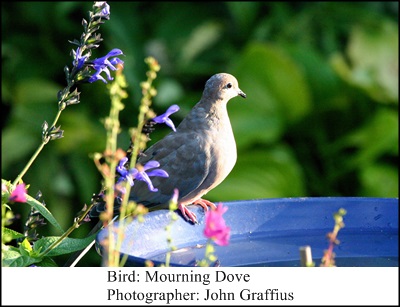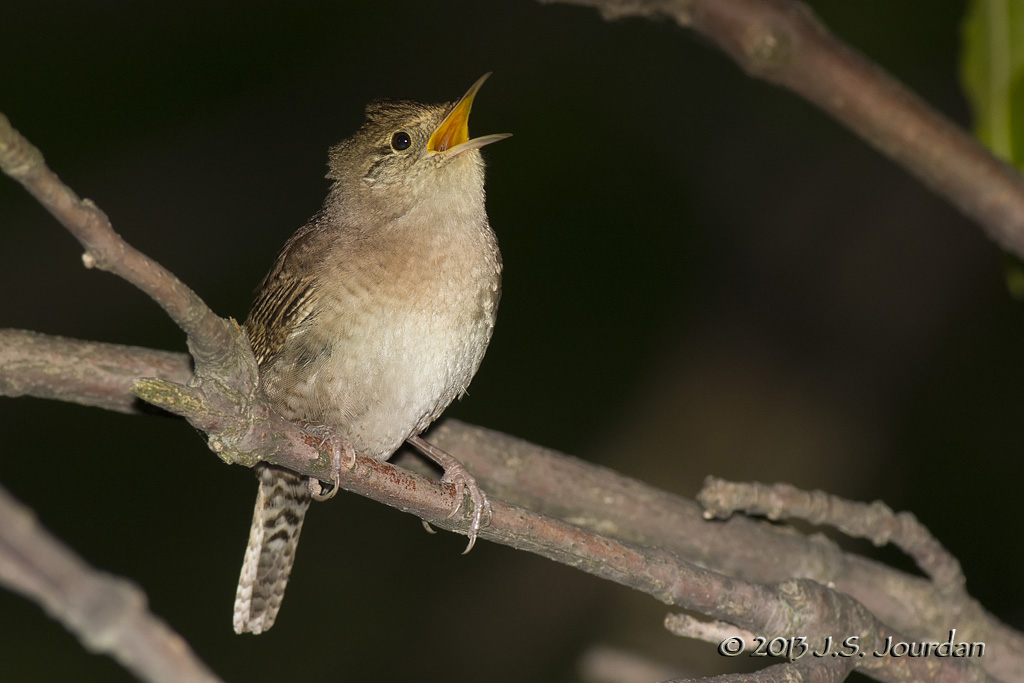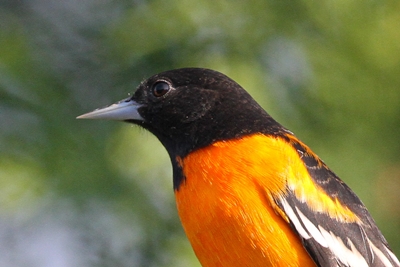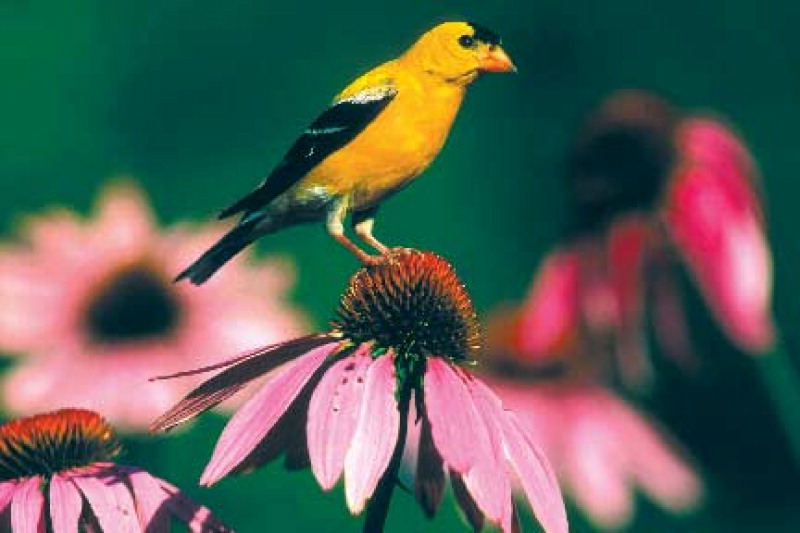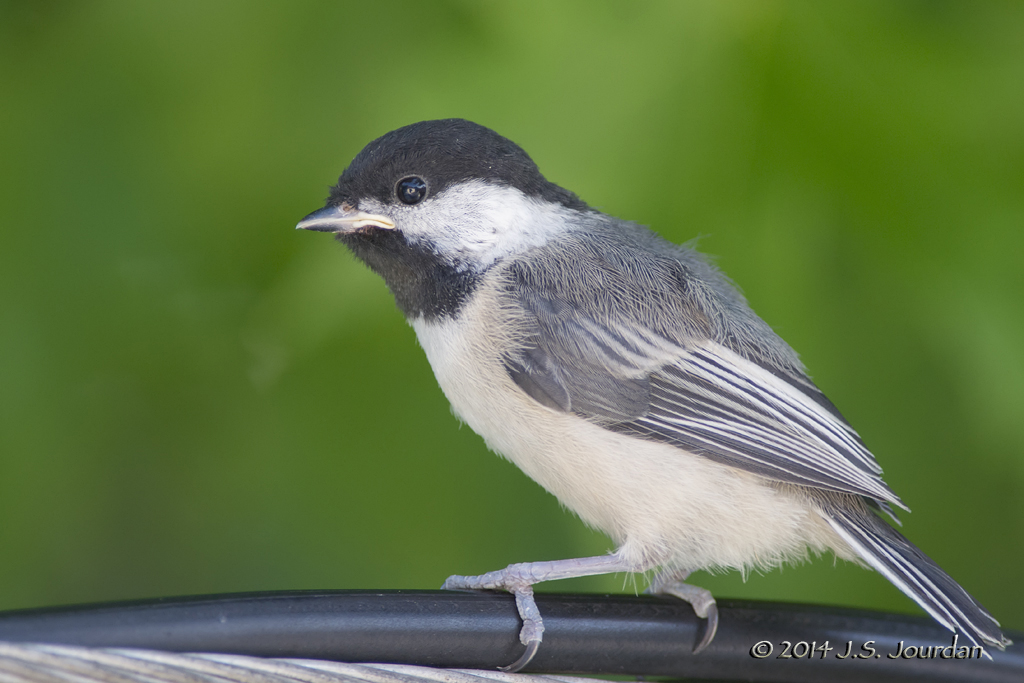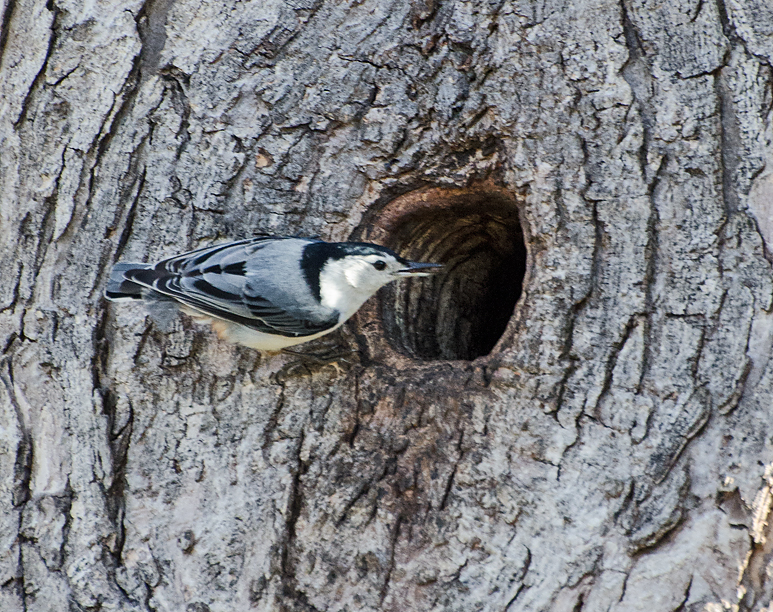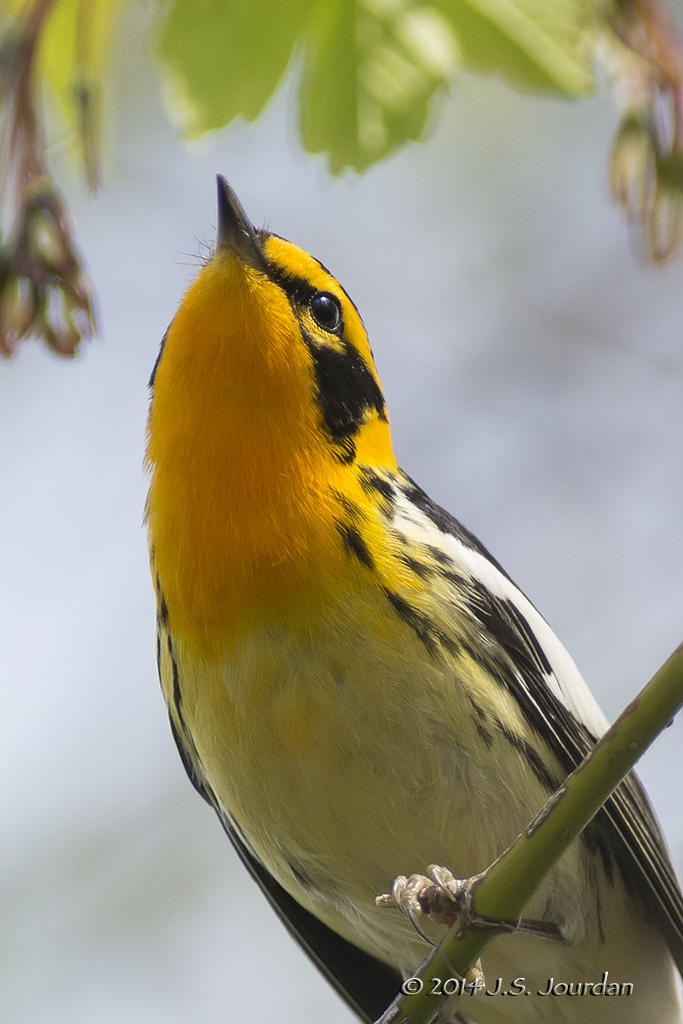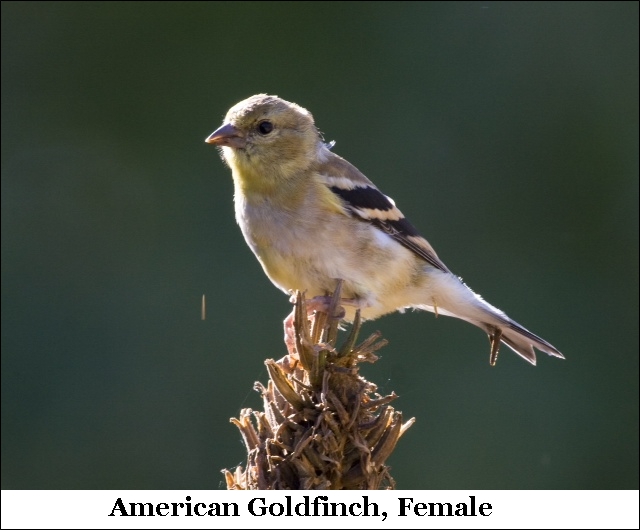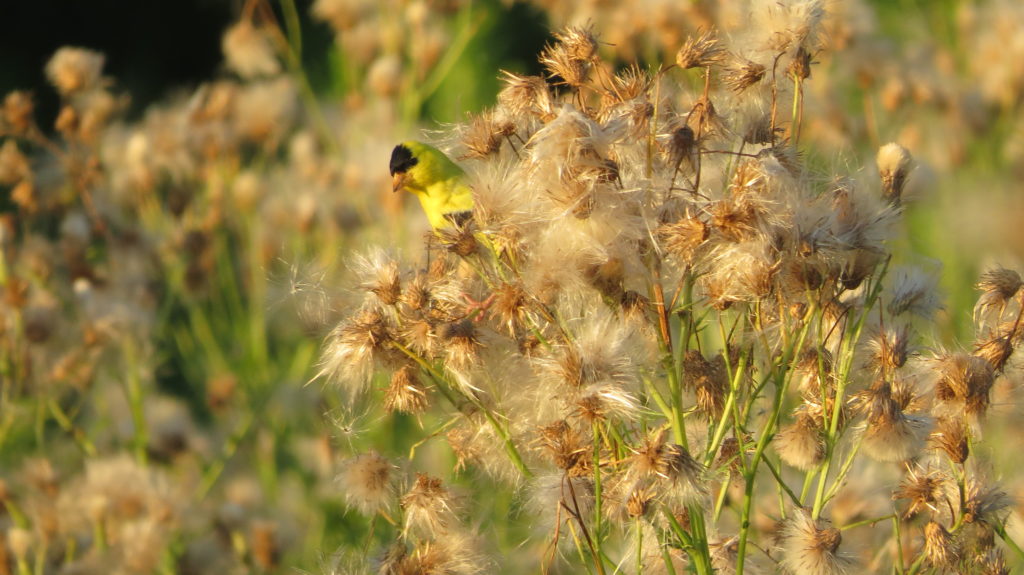
For a birdwatcher, the spring and fall migration seasons are a time to anticipate the marvel of migration that many species of birds undertake to return to and from our continent.
North America provides them with sufficient insect resources to raise the next generation, a good return on investment of their flight north. Some of them travel from as far away as Chile, no small feat for a bird that can weigh as little as .46 oz.!
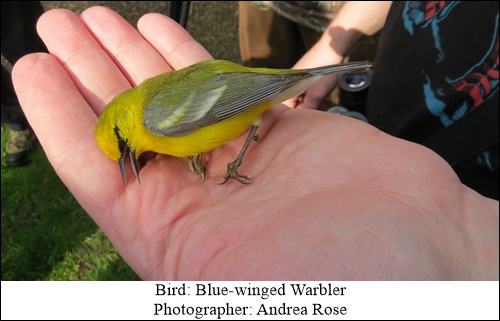
This long trip is no simple undertaking; birds face many challenges during migration. Finding food sources, enduring weather extremes and evading predators on a daily basis while traveling is hard enough for birds. If you throw in human factors, namely window strikes, their difficult journey becomes all the more perilous.
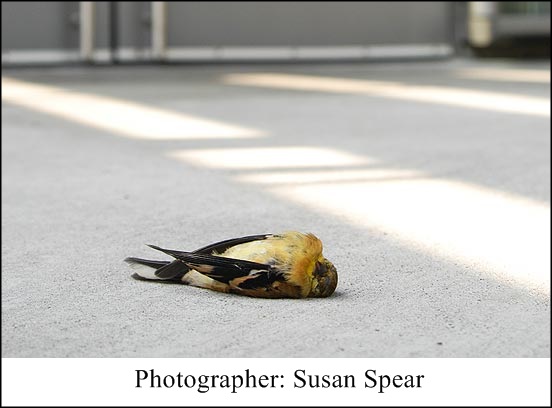
As someone who hears about birds that have met their death by flying into a window on a regular basis, I feel compelled to educate as many people as possible about how to prevent this sad situation. Most of the reports of this type of death happen during the migration months.
If foliage or sky is reflected in the glass, that is what the bird is seeing, and indicates that your window is a potential hazard.
The American Bird Conservancy estimates we lose a billion birds each year as a result of this relatively new challenge the birds face. I say “relatively new” because birds have been migrating for many years longer than we have had buildings with windows constructed on this continent. The birds see the reflection of the out of doors in windows and fly into them, thinking they are flying into continued habitat.
We often notice that the bird is stunned and will fly off after a while. This should not necessarily bring us relief. In actuality, a collision will temporarily stun a bird, and many times these birds die later from internal bleeding or bruising, especially on the brain. Dr. Daniel Klem of Muhlenberg College has researched this issue since the 1970s. He writes, “Intensive studies at single homes reveal one out of every two strikes results in a fatality.” Klem adds, “Glass is an indiscriminate killer that takes the fit as well as the unfit of a species’ population.”
Window strikes can be prevented. Start by identifying the windows that pose the greatest threats. Large picture windows or a pair of windows at right angles to each other are usually the most dangerous. Stand in your yard and look at what the bird is seeing. If it is foliage or sky reflected in the glass, that is what the bird is seeing, and indicates that your window is a potential hazard.
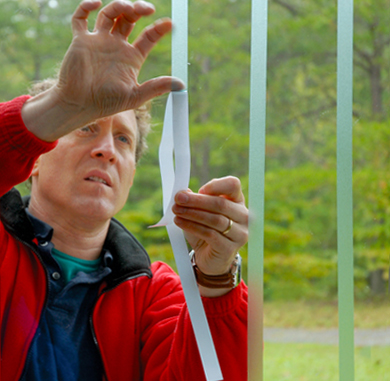
To prevent window strikes, there are products that are placed on the outside of the windows. Cover the glass on the outside with window screening or netting at least 3 inches from the glass, taut enough to bounce birds off before they can hit the glass. Small-mesh netting is best (5/8″ in diameter), so if birds do fly into it they won’t get their heads or bodies entangled but will bounce off unharmed. You can mount the netting on a frame, such as a storm-window frame, for easy installation and removal. You can also place decals, stickers, or mylar strips on the outside of the window. Keep in mind that these are only effective when placed very close together. Current studies reveal that four inches apart is the best solution. At Wild Birds Unlimited in Grosse Pointe Woods we carry American Bird Conservancy bird tape and Window Alert decals. Both products are made of a component that brilliantly reflects the ultraviolet sunlight. With vision twelve times better than ours, birds see this as a “stoplight”. Very importantly, the decals need to be replaced every six to nine months, the tape strips every four years as they lose their effectiveness with the fading of the UV coating as a result of sun exposure.
We all have windows so we all have the potential to create a lethal situation for migratory birds. Let’s get the word out to all our friends and families so that we can prevent something that IS so preventable. A bird in the trees is worth far more than a bird in the hand.
Have you joined our email list? Click here to sign up, it’s free and gives you access to sales, coupons, nature news, events, and more!
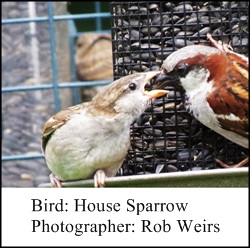
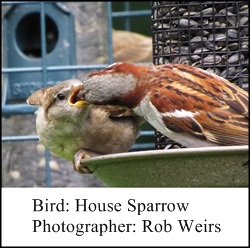
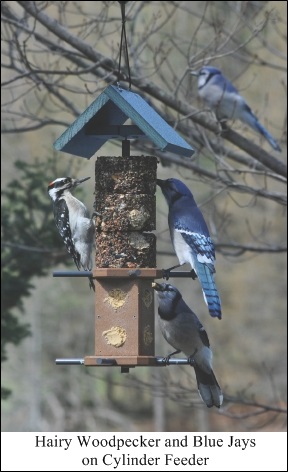
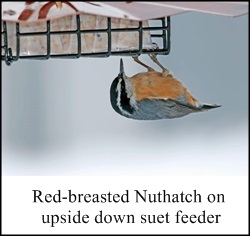 capped Chickadees without being very attractive to House Sparrows. The suet cakes that have added seeds and peanuts are especially attractive to House Sparrows and should be avoided during this time of year if you are trying not to attract the post-breeding crowd of House Sparrows. There are suet feeders that allow only woodpeckers to reach the suet inside of the sandwich of the feeder, as well as suet feeders that can only be accessed from underneath, something more difficult for House Sparrows than it is for Woodpeckers and other clingers.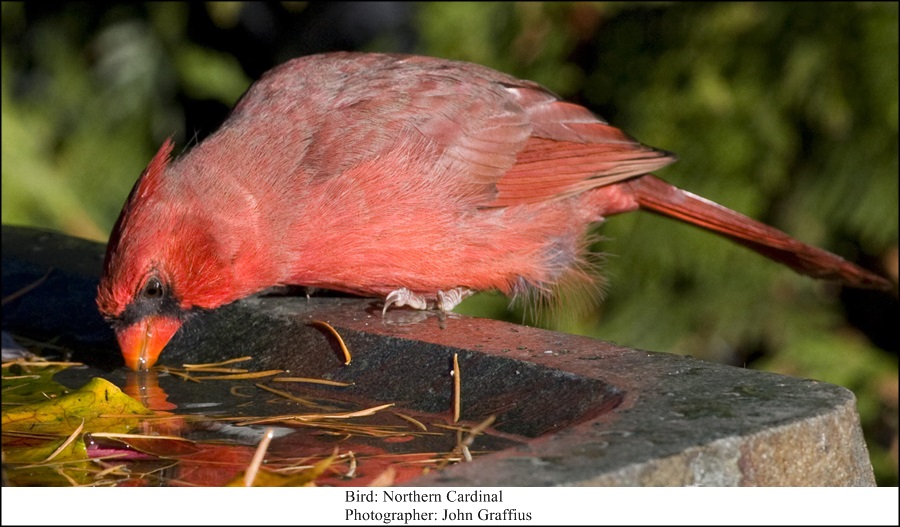
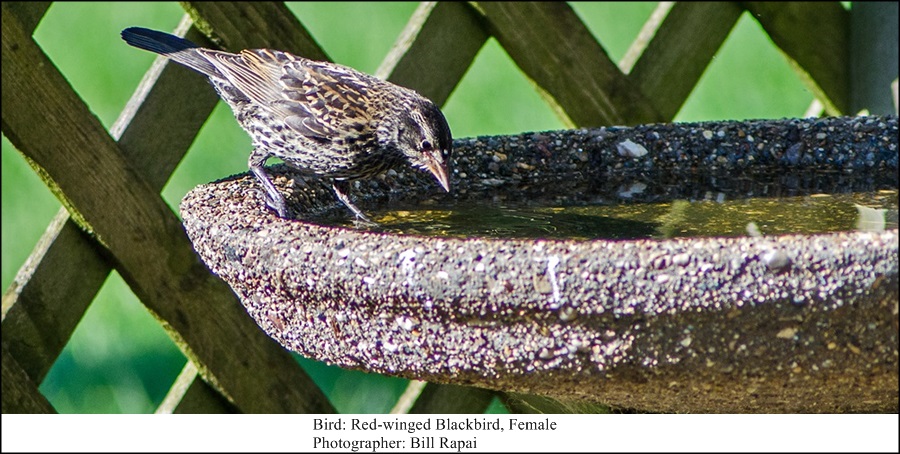
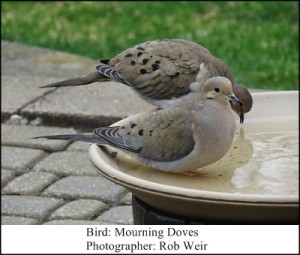 rds drink water by dipping their bill into the water, holding the water in their mouth, and then tipping their head up at a sharp angle, causing the water to flow down their throat. The exceptions to this rule are doves and pigeons, which have the ability to suck water into their mouths.
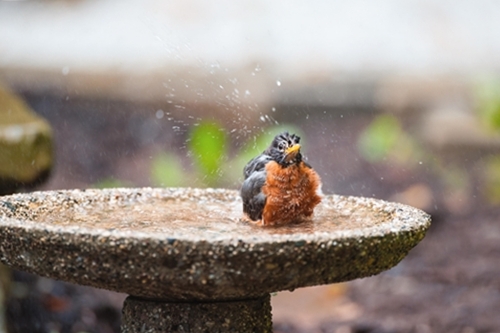
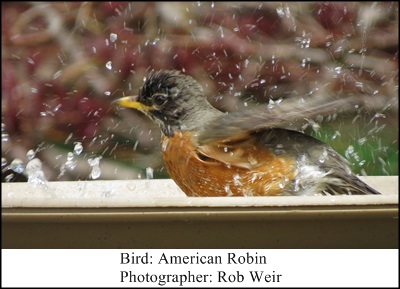 Robins are vigorous bathers. They take up the entire bath, dipping down into the water and throwing it over their backs with their wings. Other birds are not quite so boisterous. Chickadees and Goldfinches approach the bath with caution and will enter from the edge. The water needs to be shallow for them to feel safe enough to actually bathe. Adding a few small rocks to the edge of your birdbath can entice smaller birds to feel safe enough to bathe as well as drink.